

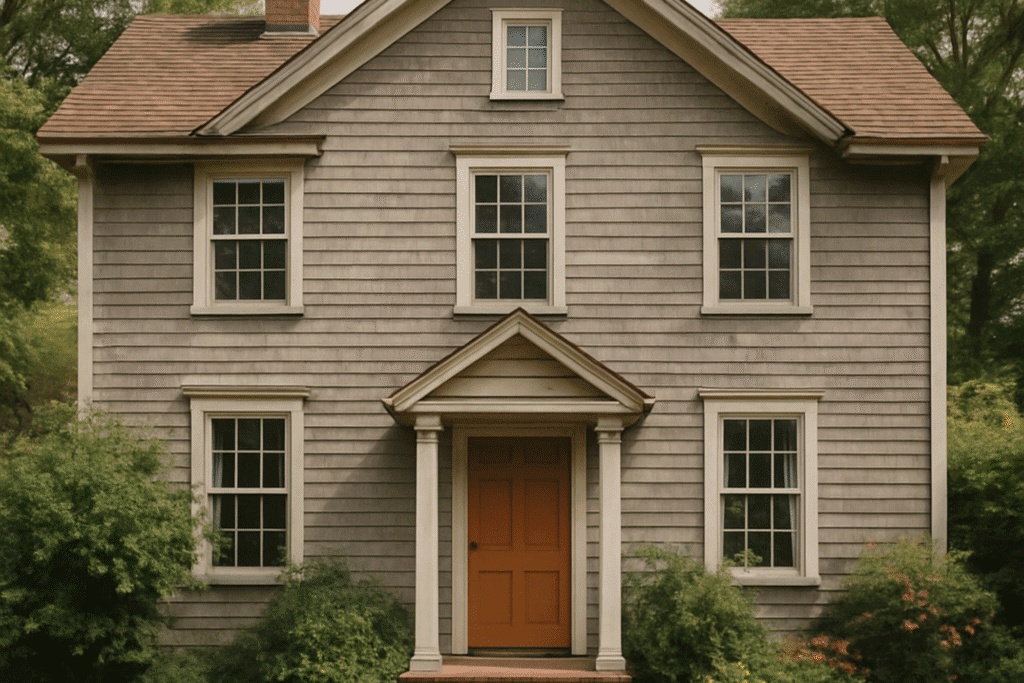
There’s something romantic about the idea of a fixer-upper – walking into a dated house and seeing the potential that others miss. Maybe it’s the thought of creating a home that’s truly your own, or the hope of scoring a deal in a competitive market. For buyers in Pickering, the appeal is real. With rising home prices across Durham Region and limited inventory in certain neighbourhoods, a fixer-upper can seem like the golden opportunity to enter the market, customize your space, and build equity all at once.
As many homeowners eventually discover, the path from “diamond in the rough” to dream home isn’t always smooth. The true cost of buying a fixer-upper in Pickering involves far more than just the purchase price – and understanding those costs upfront is the key to avoiding unpleasant surprises.
At Bold Group, we’ve helped countless buyers navigate the renovation home market in Pickering and across Durham. This guide breaks down what you need to know before you take the plunge: the financial realities, the hidden challenges, and the situations where a fixer-upper can truly be worth the investment.
Why Pickering Is a Prime Spot for Fixer-Uppers
Pickering has long been one of Durham Region’s most desirable communities. It offers a strong mix of family-friendly neighbourhoods, access to major highways and transit routes, and an evolving downtown core that continues to attract new development. While newer subdivisions have driven up average home prices, there are still plenty of older properties in established areas such as Bay Ridges, West Shore, and Liverpool that offer excellent renovation potential.
These homes often have solid construction and generous lot sizes – features that are becoming harder to find in newer builds and what many buyers in Durham are looking for right now. Many were built between the 1960s and 1980s and, while structurally sound, may have outdated interiors or aging mechanical systems. For a buyer with a vision (and a realistic budget), these renovation homes in Pickering can represent an opportunity to buy below the market average and add significant value through updates.
That said, not every fixer-upper is a smart buy. Understanding what kind of work a property needs – and how much it will cost – is crucial to determining whether the numbers make sense.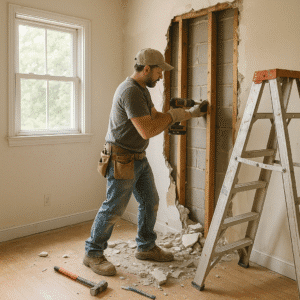
The True Costs Behind a Fixer-Upper
One of the biggest misconceptions about renovation homes is that they’re automatically cheaper. Yes, fixer-uppers usually list below turnkey properties, sometimes by 10% to 20%, depending on condition and location. For instance, if a fully updated detached home in Pickering sells for around $1 million, you might find a comparable home needing work for $800,000. That discount is what draws many buyers in.
However, that initial savings can quickly evaporate once renovation costs are factored in. A basic cosmetic refresh – painting, flooring, and minor updates – might cost anywhere from $20,000 to $50,000. But once you start replacing kitchens, bathrooms, windows, or mechanical systems, the numbers climb fast. A full-scale renovation can easily reach $200,000 to $400,000, especially if structural work is required.
Another important consideration is financing. While most lenders are comfortable funding move-in-ready properties, a home in poor condition may require a purchase plus improvements mortgage, which allows you to roll renovation costs into your financing. It’s a useful option, but it also comes with stricter lender requirements and more paperwork. If you’re planning to live elsewhere during renovations, don’t forget to include carrying costs such as mortgage payments, property taxes, insurance, and possibly rent for temporary housing.
Then there are permits. In Pickering, you’ll need city approval for structural changes, plumbing or electrical work, and additions. Permit fees vary, but it’s wise to budget a few thousand dollars – and remember that waiting for approvals can slow down your project timeline.
The Hidden (and Often Overlooked) Expenses
Many first-time buyers focus on what they can see: old carpet, dated cabinetry, or a bathroom stuck in the 1980s. Those are easy fixes. The real financial challenges often lie behind the walls. Older Pickering homes may come with aging infrastructure – electrical systems that no longer meet code, galvanized plumbing, inefficient insulation, or even foundation cracks that hint at structural movement. These aren’t cosmetic issues; they’re essential repairs that can cost tens of thousands of dollars to address.
One of the most common surprises is the need to upgrade electrical wiring. Homes built before the 1970s may still have knob-and-tube wiring, which can be both unsafe and uninsurable. Replacing it can cost anywhere from $8,000 to $50,000, depending on the size of the home. The same goes for plumbing: cast iron and galvanized steel pipes are prone to corrosion and may require full replacement. Roofs, windows, and HVAC systems also tend to reach the end of their lifespan around the same time, particularly in homes that haven’t been well maintained.
Even if a home looks fine during a walkthrough, it’s critical to invest in thorough inspections. A professional home inspector can identify warning signs that aren’t visible to the untrained eye, such as moisture behind walls, outdated electrical panels, or compromised insulation. Spending a few hundred dollars upfront could save you from thousands in repairs later.

Time, Sweat, and Stress: The Lifestyle Factor
When people imagine buying a fixer-upper, they often picture themselves happily picking paint colours and designing their dream kitchen. What they don’t picture is the stress of living through months of construction dust, noise, and constant decision-making. Renovations rarely run exactly on schedule, and delays are almost inevitable – whether due to permit holdups, material shortages, or unexpected repairs.
For couples and families, it’s important to consider whether your lifestyle can handle the disruption. If you’re planning to live in the home during renovations, be prepared for temporary inconveniences such as limited access to bathrooms or kitchens. If you’ll be living elsewhere, factor in those extra living expenses.
The emotional toll is real, too. Renovating a home is a major undertaking that requires patience, flexibility, and a clear vision. Working with reliable contractors, setting realistic expectations, and building in time buffers will make the process smoother – but even the best-planned projects can be unpredictable.
When a Fixer-Upper in Pickering Is Worth It
Despite the challenges, fixer-uppers can absolutely be worthwhile – when approached strategically. They tend to offer the most value in established neighbourhoods where renovated homes already command high resale prices. For example, updating an older home in Bay Ridges or Liverpool could yield strong equity gains, given these areas’ proximity to transit, parks, and the waterfront.
Another advantage is customization. Instead of compromising on a home that “almost fits,” you can tailor a renovation property to your exact taste and needs. Want an open-concept layout or a chef’s kitchen? You can design it from scratch. For long-term homeowners, this flexibility often outweighs the short-term inconvenience. If you’re ready to start exploring renovation-ready homes in your area, browse all current listings in Pickering and across Durham Region.
Investors, too, can benefit when the math works. Buying below market value and strategically renovating for resale or rental can generate solid returns – especially as Pickering continues to grow. The key is careful cost management and an honest understanding of what the property will be worth once improvements are complete.
Final Thoughts: Do the Numbers, Then Follow Your Vision
Buying a fixer-upper in Pickering isn’t for everyone. It requires financial preparedness, patience, and a willingness to navigate unexpected challenges. But for the right buyer – someone who sees potential where others see problems – it can be one of the most rewarding ways to enter the market.
Before making an offer, always run the numbers carefully. Compare the home’s projected “after renovation value” with your total investment, including purchase price, renovation costs, and contingency funds. If the gap still makes sense – and you’re ready for the work ahead – a fixer-upper can be a smart, value-building move.
If you’re considering buying a fixer-upper in Pickering, contact the team at Bold Group for help identifying promising properties, assess renovation potential, and connect you with trusted local professionals. With the right plan and guidance, your next home could be more than a renovation project – it could be your best investment yet.