


The soft blanket of snow over Whitby suburbs, the quiet stillness in Courtice just before dusk, and the lakeside chill that rolls into Pickering as temperatures drop. As beautiful as it is, colder weather also brings an unavoidable truth for homeowners: winter is the season when energy bills climb, home systems work harder, and small inefficiencies suddenly become noticeable.
For many homeowners, winter is the moment they start asking a different kind of question:
How can I make my home more comfortable, more efficient, and more valuable at the same time?
Energy efficiency isn’t just a buzzword anymore – it’s a major factor in what buyers are looking for in homes and long-term home value across Durham. According to Natural Resources Canada, improving home energy efficiency can lead to lower energy bills, improved comfort and increased asset value. Homeowners who invest in efficiency aren’t just saving money; they’re creating homes that appeal to the next generation of environmentally conscious buyers.
At Bold Group, we regularly see homes with energy-efficient upgrades stand out in competitive markets. Buyers react strongly to features like improved windows, upgraded insulation, smart thermostats, and efficient HVAC systems – they see lower bills, better comfort, and less long-term maintenance. This guide breaks down how to get your home winter-ready while boosting its long-term value, whether you’re staying put or preparing to sell in the coming months.

Why Winter Is the Best Time to Improve Energy Efficiency
Most homeowners think of winter as the season to endure, not the season to upgrade – but it’s actually the time when inefficiencies are most obvious. Drafty hallways, cold floors, inconsistent heating between rooms, and rising utility bills all signal opportunities for improvement.
When your home is working its hardest, you can clearly identify what needs attention. Real estate markets across Durham Region often pick up again in early spring, meaning winter upgrades can help your home shine when the competition increases. Buyers immediately notice homes that feel warm, well-sealed, and efficient – especially when they’ve just walked through a house that felt cold or unevenly heated.
The truth is simple: winter exposes problems, but it also gives you the chance to fix them before they cost you more or deter future buyers.
Understanding Where Homes Lose Energy in Durham’s Climate
Durham’s winters are cold enough to put real pressure on a home’s structure and systems – especially in older neighbourhoods like South Oshawa, Bowmanville’s established communities, or established sections of Pickering where many homes were built before modern energy standards.
The most common areas where homes lose heat include attic spaces with thin insulation, older windows with air gaps, furnace systems running past their lifespan, and basements that were never properly air-sealed. Many homeowners assume their heating system is the issue, but more often, heat loss stems from the structure itself – the home simply isn’t holding onto warmth efficiently.
This is where energy audits can be incredibly helpful. Programs supported by Natural Resources Canada offer professional assessments that identify exactly where heat loss occurs and which upgrades will yield the highest savings. These assessments are often backed by rebates or incentives throughout Ontario, giving homeowners financial support to make smart improvements. For sellers preparing to list in the near future, understanding these problem areas can make a significant difference in how your home is positioned – something our marketing strategy addresses directly when preparing a home for the market.
Insulation: The Most Overlooked Way to Add Comfort and Value
Insulation is often the quiet hero of energy efficiency. It’s not the most glamorous upgrade – you won’t see it once it’s installed – but its impact on comfort and cost is significant. Proper attic insulation is one of the most effective ways to regulate a home’s temperature and reduce energy waste, particularly in older Durham homes that may only have a fraction of the insulation recommended today.
Investing in upgraded insulation has two major benefits: immediate savings on heating bills and long-term appeal to buyers who want move-in-ready efficiency. In many cases, buyers won’t see insulation directly, but they feel it the moment they walk inside. Homes with proper insulation maintain a consistent temperature, feel warmer, and avoid the drafty sensations that often lead to negative first impressions.
For sellers preparing to list in the next year, this is a behind-the-scenes upgrade that adds real value and becomes a strong talking point during showings and marketing. Buyers increasingly gravitate toward homes that show clear signs of care and thoughtful upkeep, working with a team that understands how to communicate these strengths – like the Bold Group team – can make a meaningful difference in how your home is perceived.
Windows and Doors: Small Gaps, Big Heat Loss
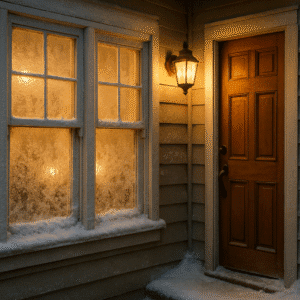
Most homeowners underestimate how much heat escapes through windows and doors. Older windows – especially those original to 1970s or 1980s builds – are major heat-loss culprits. Even homes built in the early 2000s can benefit from modern window technology that improves thermal efficiency and reduces drafts.
Upgrading to double – or triple-pane windows with low-E coatings not only improves comfort but also reduces noise and boosts resale appeal. Buyers in Durham increasingly ask about window age and efficiency, especially in homes located near major roads or in open subdivisions where winter winds hit harder.
While replacing every window at once isn’t always necessary, addressing the coldest or draftiest spots – front windows, patio doors, or basement panes – can make a substantial difference. Weatherstripping, door sweeps, and proper sealing are inexpensive ways to support efficiency before investing in full replacements.
Heating Systems, Maintenance, and the Value of Efficiency
Your HVAC system works the hardest during winter, and it’s one of the first things buyers ask about during showings. A furnace approaching the end of its lifespan can become a negotiation point, often leading to buyer hesitation or reduced offers. But an efficient, properly maintained heating system can dramatically improve your home’s perceived value.
Smart thermostats, which automatically adjust based on occupancy and patterns, are an easy win for homeowners. They offer immediate energy savings and appeal to tech-focused buyers who appreciate automated comfort and control. These small upgrades often appear prominently in listing descriptions because they speak directly to cost savings and convenience.
Regular furnace maintenance also signals responsible ownership – something that matters deeply to buyers. A clean, serviced system not only performs better but communicates care and long-term reliability.
Creating an Energy-Efficient Home Through Smart Day-to-Day Choices
Not every upgrade requires a major renovation. Many of the most effective winter improvements come from small shifts in habits, everyday adjustments, and simple add-ons that support comfort.
For example, using insulated curtains on large windows can help prevent heat from escaping at night, while keeping blinds open during sunny days allows natural warmth to enter. Moving furniture away from heat vents ensures your system distributes air properly, and sealing electrical outlets on exterior walls can reduce unwanted drafts.
These may seem minor, but small changes layer together to create a more efficient, comfortable winter home. They also help buyers perceive the home as well-maintained and thoughtfully updated, even before more significant improvements are made.
Energy Efficient Upgrades That Appeal Most to Today’s Buyers
- Smart thermostats and energy monitoring systems
- Upgraded attic insulation
- Modern, efficient windows
- High-efficiency furnaces or heat pumps
- LED lighting throughout the home
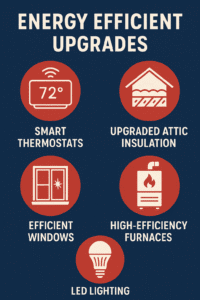
These upgrades don’t just reduce energy usage – they enhance the long-term live-ability of the property.
How Energy Efficiency Boosts Your Home’s Value
Modern buyers – especially those relocating from the GTA into Durham – often prioritize move-in readiness. They want comfort, lower long-term costs, and environmentally conscious features without the need for immediate upgrades.
Homes that demonstrate strong efficiency often show:
- Higher resale value
- Shorter days on market
- Reduced negotiation friction
- Better inspection outcomes
When buyers see efficiency, they see less risk. They see lower bills. They see fewer surprises. And they see a home that’s been cared for.
If you’re planning to sell, improving efficiency gives you a competitive edge in both winter and spring markets. Even if you’re staying long-term, these upgrades increase comfort and lower costs – a valuable combination in Ontario’s colder months.
Final Thoughts: Efficiency Isn’t Just Smart – It’s Marketable
Creating an energy-efficient home during winter isn’t just about saving money. It’s about improving your comfort, reducing long-term maintenance stress, and positioning your home as a strong contender in Durham’s evolving real estate market.
Whether you’re tackling insulation, upgrading windows, or making simple day-to-day changes, every improvement builds toward a more efficient, more valuable home – one that benefits you now and appeals to future buyers later.
If you’re considering selling or want personalized advice on which energy-efficient upgrades will have the biggest impact on your home’s market value, the Bold Group is here to guide you. Our team specializes in winter-ready listing preparation, energy-focused marketing strategies, and helping homeowners identify improvements that truly pay off.