


The first snowfall at your new home is a special moment. The lights, the quiet, the comfort – it’s when your house truly starts to feel like home. But that first winter also brings a few lessons every new homeowner learns the hard way: drafts you didn’t notice before, a furnace filter that needs replacing, or a driveway that takes longer to shovel than you expected.
If this is your first winter in a new home, a little preparation goes a long way. With Durham Region’s chilly temperatures and frequent freeze-thaw cycles, taking time now to protect your investment means fewer surprises – and lower repair bills – later.
At Bold Group, we’ve guided hundreds of homeowners across Pickering, Whitby, and Bowmanville through the transition from move-in day to maintenance mode. Here’s how to prepare your home like a pro for its first Ontario winter.

1. Start with the Furnace – Your Home’s Winter Workhorse
Your furnace works harder in Ontario winters than almost any other system in your home, so it deserves early attention. Before the first real cold snap, schedule a professional furnace inspection to ensure it’s clean, efficient, and safe.
A licensed technician will check for leaks, replace filters, and confirm your system’s efficiency. Replacing the air filter every three months is one of the simplest ways to improve air quality and reduce strain on your furnace.
If your home is new to you, find out when the unit was last serviced. Many resale homes include service stickers near the furnace – a quick check that can reveal valuable history.
Homeowners can also perform a few simple checks themselves:
- Make sure vents and returns aren’t blocked by furniture or curtains.
- Listen for unusual noises when the system cycles on.
- Check that the thermostat is functioning correctly and replace batteries if needed.
For new homeowners unfamiliar with Ontario’s energy programs, the Home Efficiency Rebate Plus (HER+) from Enbridge Gas offers rebates for upgrading furnaces, insulation, and windows – making now the perfect time to boost efficiency before the deep freeze.

2. Seal Up Drafts and Insulate Like a Veteran Homeowner
Even the smallest gaps can make a big difference in comfort and heating costs. Drafts often appear around windows, doors, and attic hatches – spots that may not have been obvious during your summer walkthrough.
Start with a simple draft test: on a windy day, hold a lit candle or incense stick near windows and door frames. If the smoke flickers horizontally, you’ve found an air leak. Use weatherstripping or caulking to seal the gaps, and consider installing foam gaskets behind electrical outlet covers on exterior walls.
Insulation is another area where many Ontario homeowners can see immediate benefits. The attic is usually the easiest and most effective place to add insulation, since heat naturally rises. According to the Government of Canada’s Energy Efficiency Guide, proper insulation can reduce heating costs by up to 30%.
Not sure if your insulation is adequate? Look for uneven snow melt on your roof after a snowfall – it often indicates heat escaping through the attic.
3. Prepare Your Plumbing for Freezing Temperatures
Few surprises are worse than frozen pipes. As a new homeowner in Ontario, protecting your plumbing should be at the top of your winter checklist.
Start by locating your main water shut-off valve – knowing where it is can save valuable time if a pipe bursts. Then, drain and disconnect outdoor hoses and shut off exterior faucets before temperatures dip below zero. If your home has an irrigation system, schedule a professional blowout to remove water from the lines.
Inside, keep pipes warm by opening cabinet doors under sinks during cold spells, especially along exterior walls. For added protection, consider foam pipe insulation sleeves for exposed pipes in basements or crawl spaces.
If you’re away for more than a few days, set your thermostat no lower than 16°C (60°F) to prevent freezing. It’s also wise to have a neighbour or friend check the house periodically during extreme cold snaps.
4. Don’t Forget the Exterior: Driveways, Gutters, and Roofs
Winter maintenance doesn’t stop at the door. Your home’s exterior takes the brunt of Ontario’s weather, so preparing it properly helps prevent damage and costly repairs come spring.
Clean your gutters once most of the leaves have fallen. Clogged eavestroughs can lead to ice dams – ridges of frozen water that force melting snow back under shingles, causing leaks and roof damage. Check that downspouts direct water at least 3 feet away from the foundation.
Inspect your roof from the ground (or hire a professional) for missing shingles, loose flashing, or sagging areas. Even small issues can worsen under heavy snow.
For your driveway and walkways, fill cracks with cold-patch asphalt or concrete sealant before freezing weather arrives. Stock up on pet-safe, concrete-friendly ice melt – and keep your snow shovel or blower serviced and ready.
Homeowners with interlock or stone driveways should also ensure the base is level; uneven surfaces can heave during freeze-thaw cycles.
5. Test Safety Devices and Update Emergency Supplies
Winter storms can lead to power outages, so safety checks are an essential part of your winter home maintenance routine.
Replace batteries in smoke and carbon monoxide detectors, and test each one. Ontario law requires working CO detectors outside sleeping areas – especially if your home has gas appliances or an attached garage.
Next, review your emergency preparedness kit. It should include flashlights, extra batteries, bottled water, non-perishable food, blankets, and a portable phone charger. If you rely on a sump pump, consider a backup battery system in case of outages.
For peace of mind, program local emergency numbers and utility hotlines into your phone. These quick steps make a big difference during winter weather events that may cause service interruptions.
6. Protect Your Home’s Curb Appeal and Comfort
Cold weather doesn’t mean you can’t enjoy your home’s exterior. Small steps now can preserve its look – and your comfort – through the winter months.
Sweep porches and decks before snow arrives, and store outdoor furniture, garden tools, and hoses in a dry space. Cover patio furniture if it stays outside, and secure anything that could blow over in strong winds.
Inside, adding draft stoppers, heavier curtains, and area rugs can make rooms feel instantly warmer. These simple changes not only improve comfort but can also reduce heating bills – a win-win for any new homeowner settling in.
Don’t overlook your garage and entryways. Adding rubber mats and boot trays prevents melted snow from damaging floors and makes cleanup easier.
7. Get to Know Your Home’s Systems and Schedules
Your first winter is the perfect time to truly learn how your home works.
Take note of where important systems are located – the furnace, water shut-off valve, breaker panel, and sump pump. Keep instruction manuals in one place and create a simple maintenance calendar for seasonal tasks: changing filters, cleaning gutters, testing alarms, and draining outdoor faucets.
If you purchased a newer build or recently renovated home, you may also have warranty coverage through Tarion or another builder protection program. Make sure you know what’s covered and how to report issues like drafts or foundation cracks that appear during freeze-thaw cycles.
Understanding your systems early makes it easier to handle small repairs before they become big problems.
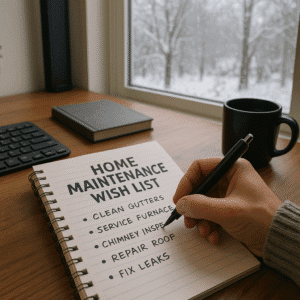
8. Plan Ahead for Next Winter
Once spring arrives, take note of anything you’d like to improve before next season – like upgrading windows, adding insulation, or improving driveway drainage. Keeping a “home maintenance wish list” helps you spread out projects over time and budget accordingly.
For many homeowners, winter reveals what a home really needs – and with each passing season, you’ll become more attuned to its quirks and strengths.
If you’re thinking about renovations that could boost efficiency or resale value, the Bold Group team can connect you with trusted local professionals across Durham. From insulation specialists to roofers and landscapers, our network helps homeowners protect and grow their investment year-round.
The Bold Group Advantage
At Bold Group, our role doesn’t end when you get the keys. We’re here for every chapter of homeownership – including your first Ontario winter.
Our agents live and work across Durham Region, so we understand local weather patterns, housing types, and maintenance needs. Whether you’ve just moved into a lakeside Pickering home or a new Bowmanville subdivision, our team can help you stay proactive, comfortable, and confident through every season.
To explore more homeowner resources, visit our selling guide or contact us for personalized recommendations on maintaining your home’s value.
Conclusion
Your first winter in a new home is both a milestone and a learning experience. With the right preparation – from furnace maintenance to sealing drafts and safeguarding against snow and ice – you’ll stay warm, worry-free, and ready to truly enjoy the season.
Remember, good maintenance isn’t just about comfort; it’s about preserving the value of your biggest investment. With Bold Group’s local insight and trusted connections, you’ll have everything you need to protect your home – and love it – through every Durham winter ahead.